Atari 400
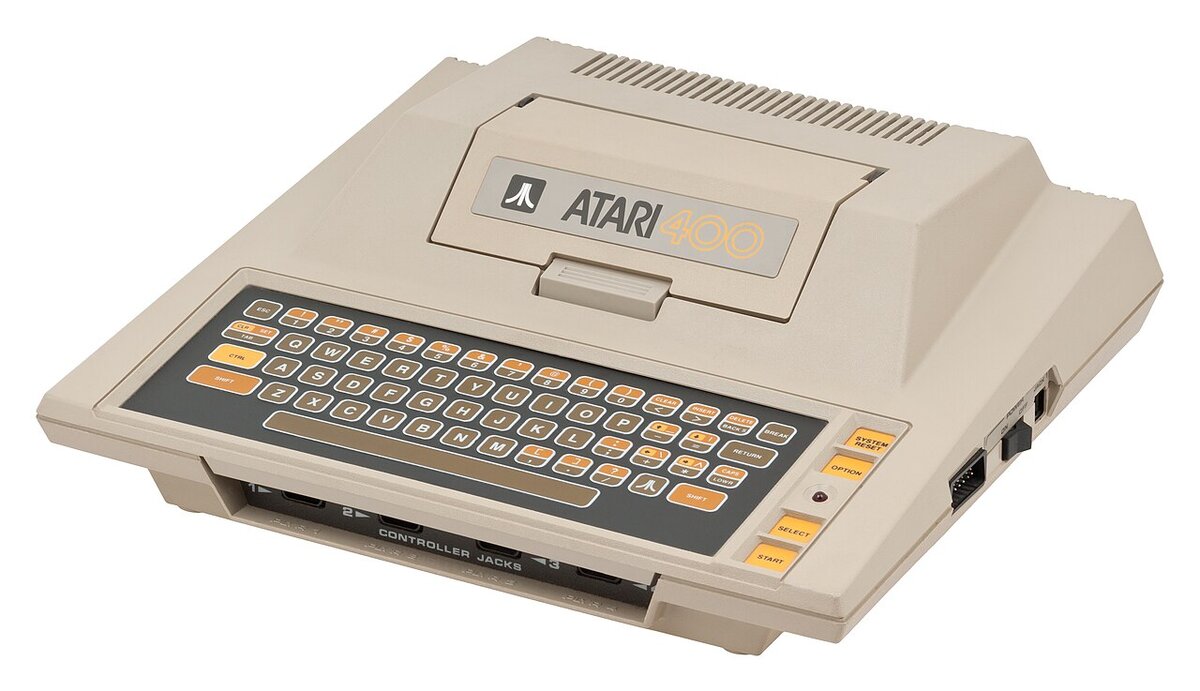
Photo 1: Evan-Amos, CC BY-SA 3.0, via Wikimedia Commons (Atari-400-Comp.jpg)
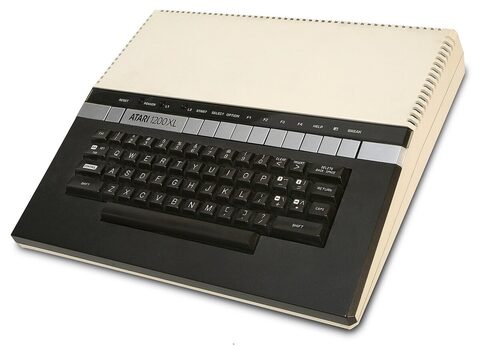
Home computer, 1979, Atari. The Atari 400 is the entry-level machine of the pair that launched the Atari 8-bit line in late 1979, together with the Atari 800. It shares the same architecture, built around the 6502 processor and the custom ANTIC, CTIA/GTIA and POKEY chips that give the family its sprites, smooth scrolling and four-channel sound, but it was designed as a cheaper, child-proof computer: the flat membrane keyboard is spill-resistant, there is a single cartridge slot under the lid and no monitor output, only the RF signal for a television. The first units had 8 KB of RAM, soon raised to 16 KB.
| Years | 1979 to 1983 |
|---|---|
| Processor | MOS 6502 at 1.79 MHz (1.77 MHz PAL) |
| RAM | 8 KB, later 16 KB (upgrades to 48 KB were common) |
| ROM | 10 KB operating system; BASIC on cartridge |
| Graphics | ANTIC and CTIA/GTIA, up to 320 x 192, 256-colour palette, 4 player and 4 missile sprites |
| Sound | POKEY, 4 channels |
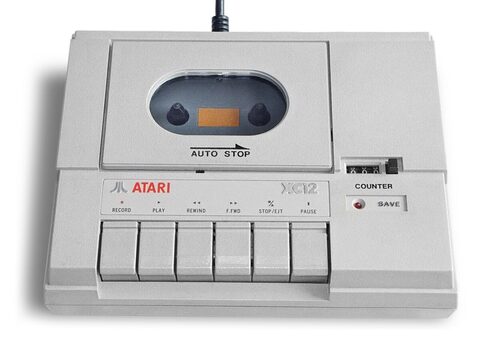
| Storage | cassette (410 recorder) or floppy through the SIO serial bus |
| Ports | 1 cartridge slot, 4 joystick ports, SIO, RF output |
| Price (1979) | US$549 |
Documentation
No documents available yet for this model. Browse the documentation section.